Safety First
Protecting Lives on Nigeria's Waterways
Committed to promoting a culture of safety, responsibility, and professionalism across Nigeria's water transportation sector
The Waterfront Boat Owners and Transporters Association of Nigeria (WABOTAN) is committed to promoting a culture of safety, responsibility, and professionalism within Nigeria's water transportation sector. The safety of passengers, crew members, vessels, and cargo remains our highest priority.
Every boat owner, operator, captain, crew member, and passenger has a role to play in ensuring safe navigation and accident prevention on our waterways. These guidelines are intended to promote best practices and reduce risks associated with water transportation operations.
Our Commitment to Safety
WABOTAN encourages all members and stakeholders to:
Comply with all applicable maritime laws and regulations.
Maintain vessels in safe and seaworthy condition.
Promote passenger safety at all times.
Invest in regular safety training and education.
Protect the environment and waterways.
Report unsafe practices and incidents promptly.
Support a culture of accountability and professionalism.
Vessel Safety Requirements
Before every voyage, vessel operators should ensure that:
Vessel Inspection
The vessel is structurally sound and fit for operation.
Engines and propulsion systems are functioning properly.
Fuel systems are free from leaks.
Navigation lights are operational.
Steering systems are fully functional.
Communication equipment is available and operational.
Safety Equipment
Every vessel should carry:
Approved life jackets for all passengers and crew.
Lifebuoys and flotation devices.
Fire extinguishers.
First aid kits.
Emergency communication equipment.
Emergency lighting equipment.
Safety ropes and rescue devices.
No vessel should commence operations without adequate safety equipment on board.
Passenger Safety Guidelines
To ensure passenger safety:
Before Boarding
Verify that the vessel is authorized for operation.
Confirm that the vessel is not overloaded.
Follow boarding instructions from crew members.
Wear a life jacket before departure.
Keep children under supervision at all times.
During the Journey
Remain seated where instructed.
Avoid standing unnecessarily while the vessel is moving.
Do not interfere with vessel controls or equipment.
Follow all instructions from the captain and crew.
Report any suspicious or unsafe conditions immediately.
Prohibited Activities
Passengers should not:
Overload the vessel with luggage.
Engage in dangerous behavior.
Consume substances that may impair judgment during the journey.
Throw waste into waterways.
Tamper with safety equipment.
Life Jacket Policy
Life jackets save lives.
WABOTAN strongly recommends that:
Every passenger wears a life jacket before departure.
Life jackets are properly fitted and secured.
Children use life jackets designed for their age and size.
Vessel operators inspect life jackets regularly for damage.
No passenger should be allowed to travel without access to an approved life jacket.
Weather and Navigation Safety
Operators should:
Monitor weather forecasts before departure.
Avoid operations during severe storms or dangerous conditions.
Exercise caution during heavy rainfall, strong winds, and reduced visibility.
Follow approved navigation routes.
Observe all navigation warnings and advisories issued by relevant authorities.
Safety should always take precedence over schedule or profit.
Crew Safety Responsibilities
Crew members should:
Receive regular safety and emergency response training.
Maintain professional conduct.
Understand emergency evacuation procedures.
Know the location and operation of all safety equipment.
Assist passengers during emergencies.
Report mechanical or operational concerns immediately.
Emergency Preparedness
Every vessel should have a documented emergency response procedure covering:
Fire Emergencies
Immediate use of fire suppression equipment.
Safe evacuation procedures.
Notification of emergency services.
Man Overboard Situations
Immediate alert to crew.
Deployment of rescue equipment.
Coordinated recovery efforts.
Mechanical Failure
Passenger safety management.
Communication with rescue authorities.
Emergency towing procedures.
Medical Emergencies
First aid administration.
Emergency communication.
Transportation to medical facilities when necessary.
Environmental Responsibility
Protecting Nigeria's waterways is a shared responsibility.
Members should:
Dispose of waste responsibly.
Prevent fuel and oil spills.
Avoid pollution of rivers, creeks, and coastal areas.
Support environmental conservation initiatives.
Comply with environmental regulations and standards.
Sustainable operations contribute to the long-term growth of the water transportation industry.
Regulatory Compliance
All operators should maintain valid:
Business registration documents.
Vessel registration certificates.
Operational permits.
Safety certifications.
Insurance documentation.
Crew qualifications and licenses where applicable.
Compliance with regulatory requirements promotes safety and public confidence.
Reporting Incidents
All accidents, near misses, safety concerns, and operational incidents should be reported promptly to the appropriate authorities and relevant association representatives.
Accurate reporting helps improve safety standards and prevent future incidents.
Safety Training and Capacity Building
WABOTAN encourages all members to participate in:
Safety awareness programs.
Emergency response training.
First aid training.
Maritime compliance workshops.
Leadership and operational management programs.
Environmental protection seminars.
Continuous learning contributes to safer and more professional operations across the industry.
A Shared Responsibility
Safety is not the responsibility of one individual alone. It requires the commitment of vessel owners, operators, crew members, passengers, regulators, and industry stakeholders working together to create a safe, reliable, and sustainable water transportation system.
WABOTAN remains committed to promoting the highest standards of safety and operational excellence across Nigeria's waterways.
Safety First. Professionalism Always.
Safety at a Glance
Wear a life jacket before departure
Never overload the vessel
Check the weather before you travel
Follow crew instructions at all times
Report all incidents promptly
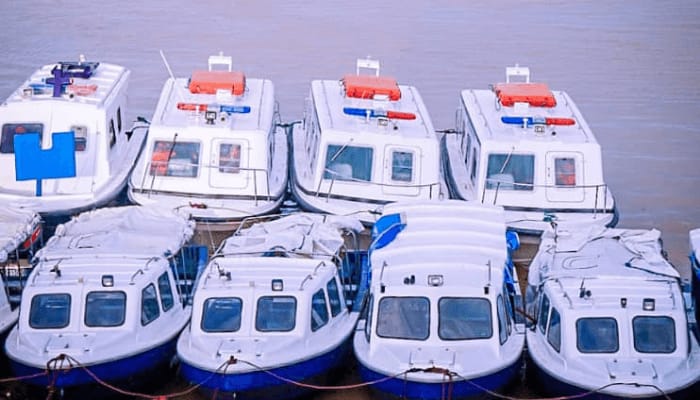
Safe Waterways, Safe Nigeria
Report a Safety Concern
Help us improve safety standards by reporting unsafe practices or incidents.
Contact Us